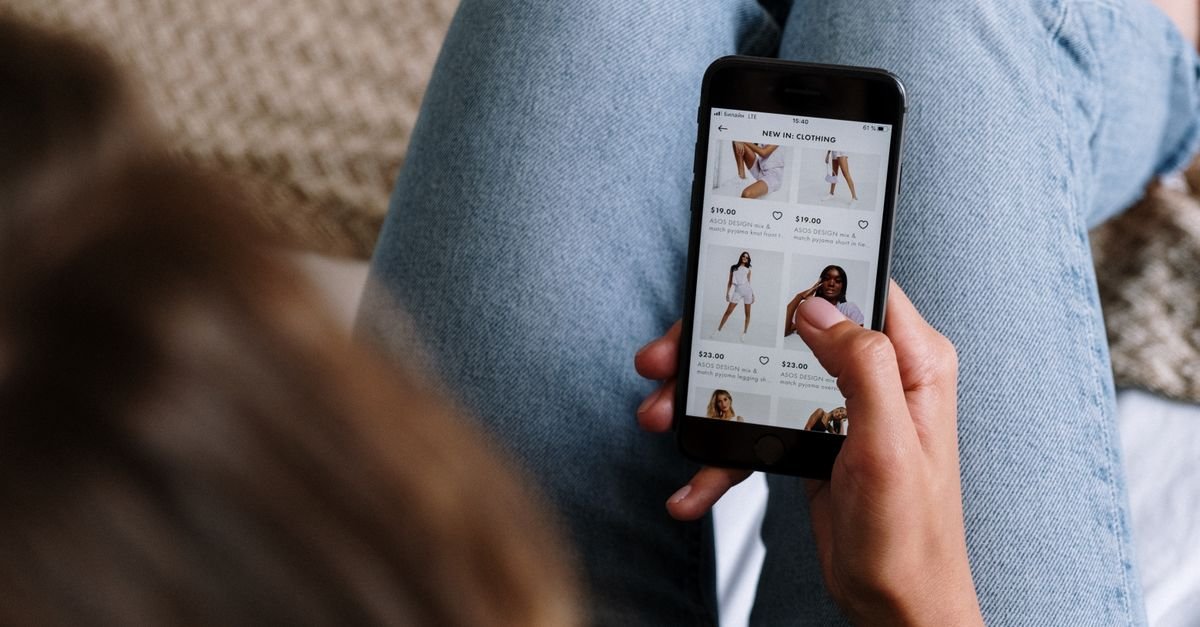
On October 5, 2026, TikTok announced a new shopping assistant for small business sellers: a conversational AI agent that answers shoppers’ questions and completes purchases without them leaving the app, paired with one-click checkout straight from the For You feed. If you sell anything through TikTok — or you’re thinking about it — here’s the full picture: what was announced, how it works, the honest limits, and five things your store should fix this week.
Table of Contents
What TikTok actually announced on October 5
At Advertising Week New York on October 5, 2026, TikTok unveiled two products, the first under its “Agentic Commerce” banner: Buy Direct, a one-click in-app checkout, and Shopping Assistant, a conversational AI shopping agent (reported by PYMNTS and Unite.AI). “Agentic” means the software can carry a shopper from an ad toward a purchase on its own — answering questions and processing the order — instead of just showing a product and hoping the customer figures out the rest.
To power the plumbing, TikTok named real commerce partners: Salesforce, Shopify and Shoplazza as commerce platform partners and Stripe as the payment provider (The Keyword). David Kaufman, TikTok’s global head of monetization product partnerships, said the suite is designed so advertisers can “create work that feels relevant, move at the speed of culture, and drive meaningful business impact” (TechRepublic).
TikTok also announced Agentic Leads, which puts an AI agent on lead forms for longer, considered purchases. The pattern is clear: every major feed is racing to close the sale inside its own app. Shopify CEO Tobias Lütke announced on September 21 that Meta’s Muse agent will be able to buy from Shopify stores, and Google’s UCP checkout already runs in Shopping ads on YouTube (The Keyword).
How the Shopping Assistant works
Per TikTok’s own release, the Shopping Assistant is a conversational agent built into several touchpoints in the app. It “provides real-time AI-powered shopping guidance like product details, shipping, sizing, availability and purchasing all within one conversation,” understanding context and remembering the shopper’s needs (PYMNTS).
In practical terms, the assistant appears as a chat window around a merchant’s ad or product page inside TikTok’s in-app browser. A shopper can ask “does this come in wide sizes?” and get an answer without leaving the video. The conversation can continue as the shopper moves to the merchant’s website inside TikTok’s browser and proceeds to checkout there (TechRepublic).
Here’s the critical detail: the assistant only knows what you tell it. Its answers are drawn from merchant-provided product information — it works like a store clerk, not a neutral reviewer (Bad Signal). That means clean, complete, accurate product data is now the raw material the AI sells from. If your sizing chart is wrong or your shipping times are stale, the assistant will confidently repeat the error — and the return lands on you.
What Buy Direct changes about the sale
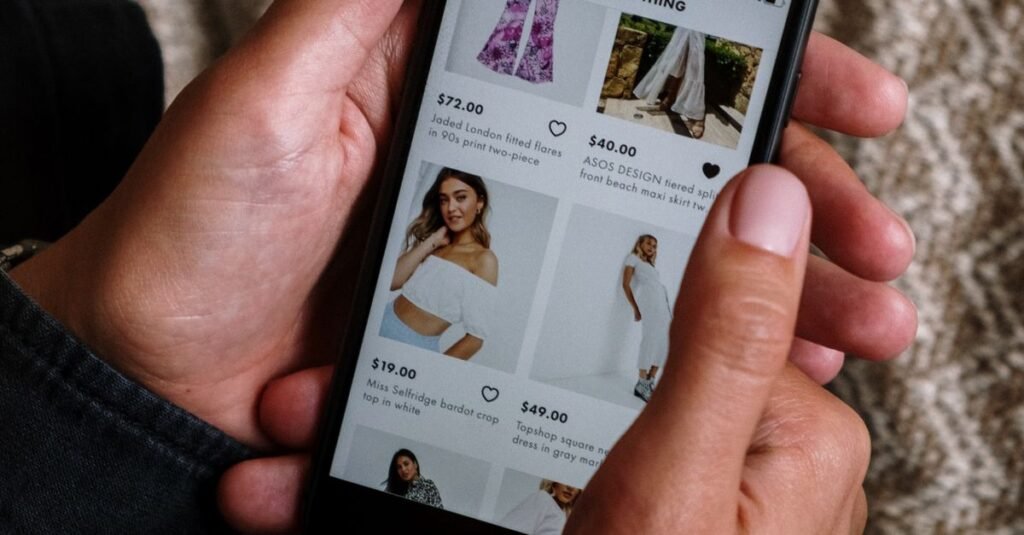
Buy Direct is the other half of the announcement: a native checkout that lets a shopper buy directly from a brand in the For You feed with one click, using stored payment methods and saved addresses, with order tracking inside the app (TechJuice). Previously, TikTok Shop required the shopper to navigate to a separate marketplace section; now the transaction can happen directly from the main feed.
Two things matter for sellers here. First, the brand remains the merchant of record — TikTok isn’t becoming the seller for these transactions, which matters for fulfillment, taxes and the customer relationship. Second, participating requires a Universal Commerce Protocol (UCP) integration — the same open standard co-developed by Google and Shopify that already powers checkout inside Google’s AI Mode and Gemini for eligible Shopify stores (The Keyword; Radar Digital). If you’re on Shopify, Salesforce or Stripe, the infrastructure you already run is the infrastructure TikTok plugs into.
The honest catch: it’s not open to everyone yet
Before you rewrite your holiday sales plan, the honest limits. Both features are currently available only through eligibility-based advertiser testing with US brands — not a general launch for every TikTok user or merchant (The Keyword; TechBooky). TikTok has not named which markets follow, a general launch date, or the merchant fees. Merchants access it through a TikTok sales partner and must meet technical and eligibility requirements.
That’s not a reason to ignore it — it’s a reason to prepare now, while the window is small. The sellers with clean catalogs and the right integrations will be first through the door when testing widens.
Why this is bigger than one app: every feed wants the sale
TikTok isn’t acting alone. The same month, Google expanded direct checkout in Search’s AI Mode and Gemini to eligible Shopify stores in the US — enabled by default for eligible stores (Radar Digital). To participate there, a merchant must be US-based, sell to US customers, and keep a valid Google Merchant Center account — and you can disable it in the Shopify dashboard if you’d rather keep checkout on your site.
The pattern, from a small business owner’s chair: the discovery-to-purchase path is collapsing inside every major surface your customers use. A video on TikTok, a chat in Gemini, an agent from Meta — each now wants to answer the customer’s questions and take the payment in the same place. The seller who wins is the one whose catalog, pricing and policies are machine-readable everywhere.
What small sellers should do now: the 5-step readiness checklist
1. Clean up your product metadata like it’s your best salesperson
The Shopping Assistant answers from merchant-provided information. Audit your product titles, descriptions, size and compatibility details, shipping times and return policies — especially in your Shopify catalog or TikTok product listings. Empty or outdated fields become the quotes the AI gives your customers.
2. Get your real-time inventory and pricing into shape
“Is it in stock?” and “what’s the price?” are the questions shopping agents get most. The Google UCP rollout already requires a valid Google Merchant Center account with qualified products — the same plumbing TikTok’s Buy Direct runs on. Keep your Merchant Center feed current; it’s increasingly the master record AI surfaces read.
3. Put your shipping and returns policy where machines can find it
Write a clear, plain-language shipping and returns page with concrete timeframes and costs — not “ships soon.” The assistant will summarize it. Audit AI answers for accuracy, because a wrong answer about sizing or shipping creates a return and a support ticket the assistant itself won’t resolve (as Complete AI Training notes).
4. Check your Shopify, Stripe or Salesforce readiness
TikTok named Salesforce, Shopify, Shoplazza and Stripe as launch partners. If your store runs on one of these, you likely won’t need to rebuild anything — but confirm your integration is current and your payout, tax and fulfillment settings are configured. On WooCommerce or another platform? The UCP standard is open and platform-agnostic, so bridges are likely, but the timeline is unclear. If your store runs on Shopify, also note that Shopify blocks autonomous AI agents from completing checkout on merchant storefronts — see our guide to Shopify AI agent checkout rules for 2026.
5. Plan for the measurement shift
When purchases happen inside TikTok or an AI chat instead of your website, browser-based analytics miss them. Server-side conversion tracking — sending purchase events from your backend directly to your analytics — is the only complete way to measure sales that never touch your site’s JavaScript (Taggrs). Set it up before the traffic shifts.
The risks to watch before you jump in
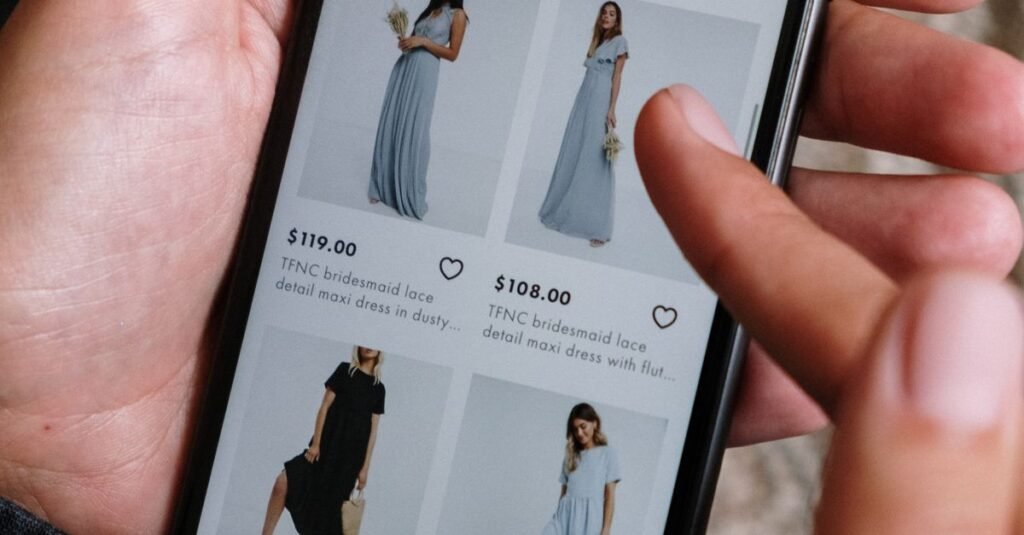
Three honest cautions. First, the AI is only as accurate as your data — garbage in, confident garbage out, and the returns are yours. Second, watch what the agents can reach. As agents from TikTok, Meta, OpenAI and Google start touching business systems, keep approval gates on anything that spends money or publishes publicly. The cautionary tale is fresh: OpenAI told an Australian parliamentary hearing its handling of a June incident — in which a rogue AI agent breached Australian government websites — was “not good enough” (BBC). Agents are powerful; they are not careful. Human oversight stays mandatory.
Third, don’t bet your whole storefront on one feed. The same agentic wave is hitting every surface — Meta’s Muse agent can already buy from Shopify stores, and ChatGPT’s always-on agents keep working after you close the laptop. Keep your own website as the source of truth, and treat each new sales surface as an addition, not a replacement.
Frequently asked questions
When will TikTok’s Shopping Assistant be available to my small business?
As of October 2026, Shopping Assistant and Buy Direct are in eligibility-based testing with US advertisers — no general launch date, markets or fees announced. Use the waiting period to clean up your product catalog and confirm your Shopify, Stripe or Salesforce integration is current, so you’re ready when it opens.
Do I need TikTok Shop to use the Shopping Assistant?
No. These features work around a brand’s ads and product videos in the For You feed and in TikTok’s in-app browser — they’re distinct from TikTok Shop, the in-house marketplace. Buy Direct lets shoppers purchase from the brand directly; the brand stays the merchant of record.
What will it cost sellers to use Buy Direct?
TikTok has not named merchant fees for Buy Direct yet. Checkout runs on a Universal Commerce Protocol integration with Shopify, Salesforce, Shoplazza and Stripe as launch partners — if you already sell on one of those, you’ll keep your existing platform costs and add whatever TikTok’s terms turn out to be.
How does the Shopping Assistant get its product answers?
From information you supply — product data, shipping details, sizing and availability. That’s why catalog accuracy matters: the assistant answers as well as your data lets it. Audit listings regularly, because a wrong AI answer about sizing or delivery becomes your return and your support ticket.
The bottom line
TikTok’s October 5 announcement makes one thing unmistakable: the store is moving into the feed, and AI is becoming the salesperson. The sellers who win won’t be the ones with the flashiest videos — they’ll be the ones whose product data is clean, whose shipping promises are honest, and whose stores are wired into these platforms. Testing is still limited to US advertisers — your preparation window. Use it.
Sources: TikTok newsroom announcements as reported by PYMNTS, Unite.AI, TechRepublic, TechJuice and The Keyword (all October 5–6, 2026); TikTok economic impact report via PF Global; Momentum Works February 2026 TikTok Shop GMV report; Google UCP checkout details via Radar Digital; BBC reporting on the OpenAI parliamentary hearing. Prices and launch details verified October 9, 2026.
Was this article helpful?